
About Najaf
The holy city of Imam Ali (AS), the first Imam of Shia Islam, located in central Iraq. A center of spirituality, scholarship, and pilgrimage for over a millennium.
Did You Know?
Najaf is home to the Imam Ali Shrine, the burial place of Imam Ali (AS), cousin and son-in-law of Prophet Muhammad (PBUH). It is one of the most important pilgrimage sites in Shia Islam, attracting millions annually.
About Najaf – The City of Imam Ali (AS)
Najaf is one of the holiest cities in Shia Islam, located in central Iraq, approximately 160 km south of Baghdad. It is the burial place of Imam Ali (AS), the cousin and son-in-law of Prophet Muhammad (PBUH), and the first Imam of Shia Islam.
The city is a major pilgrimage destination, attracting millions of visitors annually who come to pay their respects at the Imam Ali Shrine. Najaf is also home to the largest cemetery in the world, Wadi-us-Salaam, and the renowned Hawza of Najaf, one of the oldest Islamic seminaries.
Najaf’s spiritual and historical significance makes it an essential stop for any Ziyarat journey in Iraq.
History of Najaf
From its foundation to the present day, Najaf’s history is deeply intertwined with Islamic heritage.
Early History & Imam Ali’s Burial
Najaf was founded in 791 CE when Harun al-Rashid, the Abbasid caliph, ordered the construction of a shrine over the tomb of Imam Ali (AS). According to tradition, Imam Ali (AS) was buried in Najaf to keep his grave hidden from his enemies, and the city grew around his resting place.
Over the centuries, Najaf became a center of Islamic learning and spirituality, attracting scholars and pilgrims from across the Islamic world.
The Hawza of Najaf
The Hawza of Najaf is one of the oldest Islamic seminaries in the world, established over a thousand years ago. It has produced some of the most influential scholars in Shia Islam and continues to be a leading center of religious education.
Timeline of Najaf
Imam Ali Holy Shrine
The magnificent shrine of Imam Ali (AS), the heart of Najaf.
Imam Ali (AS) – Biography
Imam Ali (AS) was the cousin and son-in-law of Prophet Muhammad (PBUH), the first Imam of Shia Islam, and the fourth caliph of Sunni Islam. Born in 601 CE, he was raised by the Prophet and became one of the most knowledgeable and courageous companions of Islam.
He is known for his wisdom, justice, and piety. He was martyred in 661 CE while praying in the mosque of Kufa, and his body was secretly buried in Najaf.
Shrine Architecture
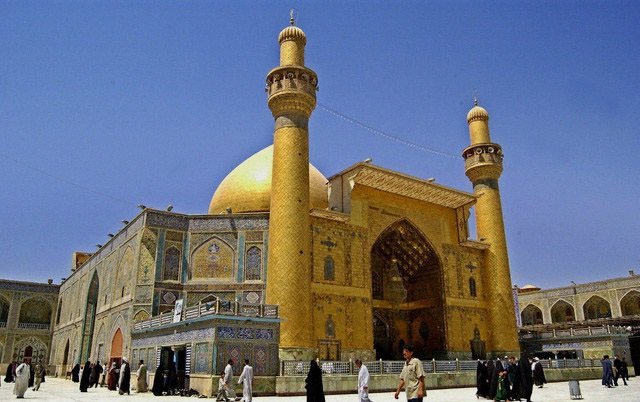
The Imam Ali Shrine is an architectural masterpiece, featuring a golden dome and two golden minarets that shine brilliantly. The interior is adorned with intricate mirror work, calligraphy, and marble, creating a serene and spiritual atmosphere.
Pilgrim Experience & Etiquette
- Dress modestly and respectfully.
- Remove shoes before entering the shrine.
- Maintain silence and reverence.
- Follow the guidance of shrine officials.
- Photography may be restricted in certain areas.
The shrine is open 24/7, with special ceremonies during the birth and martyrdom anniversaries of Imam Ali (AS).
Major Ziyarat Places in Najaf
Discover the sacred sites of Najaf, each with its own unique spiritual significance.
Imam Ali Holy Shrine
The resting place of Imam Ali (AS), the most significant shrine in Najaf. Millions visit to pay their respects.
Learn MoreWadi-us-Salaam Cemetery
The largest cemetery in the world, where millions of Muslims are buried. A place of profound reflection.
Learn MoreMasjid Al-Kufa
The historic mosque where Imam Ali (AS) was martyred. A site of great historical and religious importance.
Learn MoreSahlah Mosque
A historic mosque near Najaf, known for its spiritual significance and connection to the Ahlul Bayt.
Learn MoreWhy Visit Najaf?
Najaf offers a unique blend of spiritual, historical, and cultural experiences.
Spiritual Importance
Connect with the legacy of Imam Ali (AS) and experience profound spiritual renewal.
Islamic Scholarship
Visit the Hawza of Najaf, one of the oldest Islamic seminaries in the world.
Historic Architecture
Admire the stunning Islamic architecture of the Imam Ali Shrine and other historic sites.
Religious Education
Learn about Islamic history and the teachings of the Ahlul Bayt.
Pilgrimage
Perform Ziyarat at one of the holiest sites in Shia Islam.
Cultural Heritage
Discover the rich cultural heritage of the holy city.
Wadi-us-Salaam – The Valley of Peace
The largest cemetery in the world, located in Najaf, with over 5 million burials.
Wadi-us-Salaam (Valley of Peace) is one of the most important cemeteries in the Islamic world. It is believed to be the resting place of millions of Muslims, including many prophets, saints, and scholars.
The cemetery is located adjacent to the Imam Ali Shrine and is a place of great spiritual significance. Pilgrims often visit to pray for their deceased loved ones and to reflect on the transient nature of life.
Visitor Information
- Open year-round to visitors.
- Dress modestly and respect the sacred nature of the site.
- Pilgrims can pray for their deceased loved ones.
- Guided tours are available.
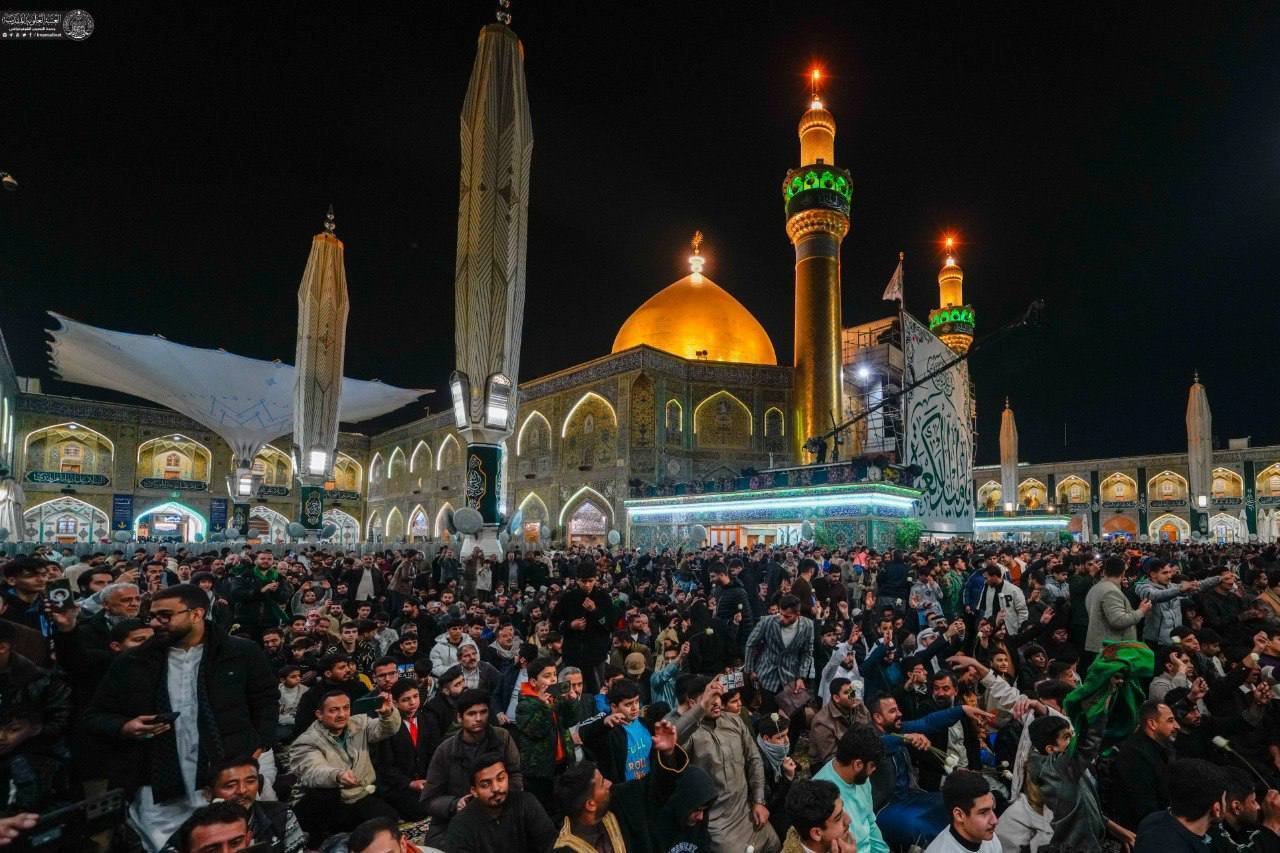
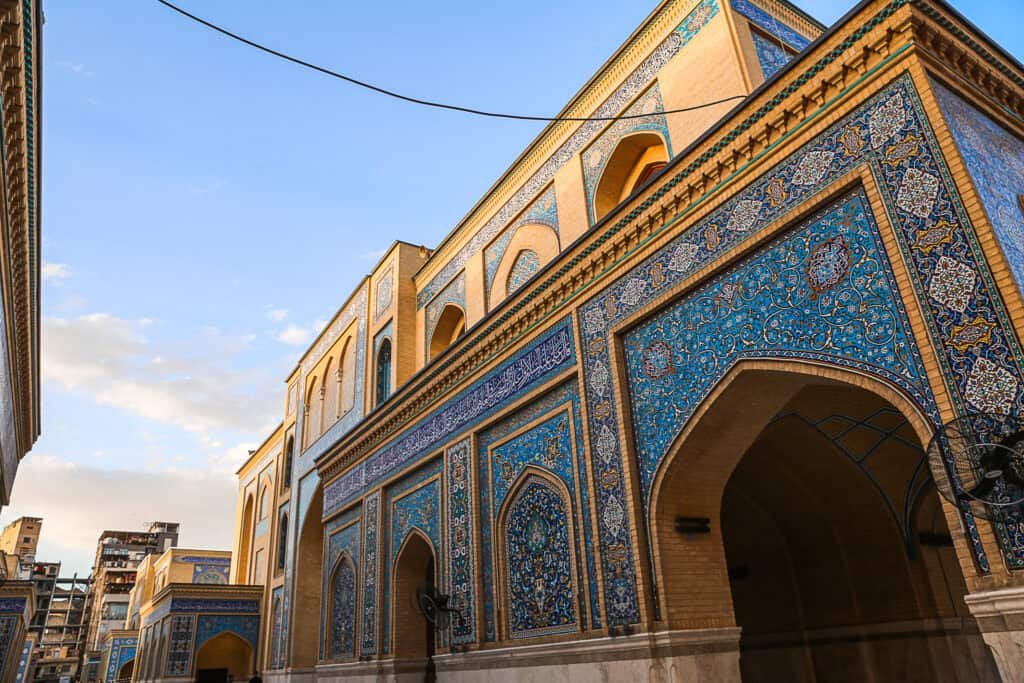
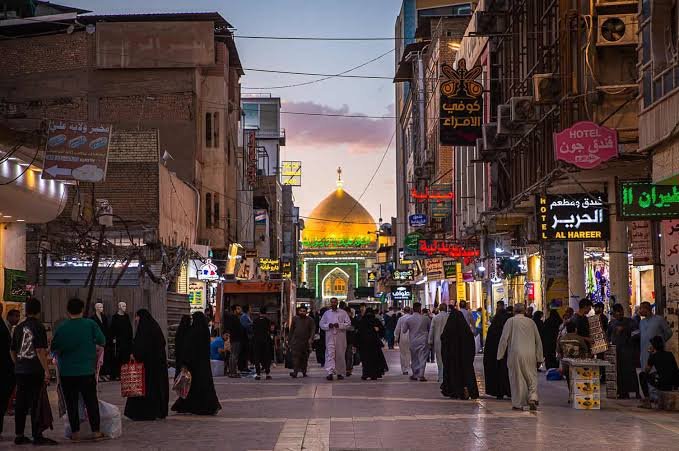
Najaf Gallery
Experience the beauty and spirituality of Najaf through our curated gallery.
Najaf Interactive Map
Plan your journey to Imam Ali Shrine and the holy sites of Najaf.
Imam Ali Shrine | To Karbala: ~80 km | To Baghdad: ~160 km | To Kadhimayn: ~170 km | To Samarra: ~250 km
Travel Guide to Najaf
Essential information for pilgrims and visitors.
Best Time to Visit
October to April (cooler months). Avoid July-August heat.
Climate
Hot summers (45°C+) and mild winters (10-20°C).
Currency
Iraqi Dinar (IQD). US dollars accepted in some places.
Language
Arabic, with English spoken in tourist areas.
Transportation
Taxis and ride-hailing apps are the most convenient options.
Hotels
Range from budget to luxury hotels near the shrine.
Local Cuisine
Try traditional Iraqi dishes like masgouf, kebab, and dolma.
Dress Code
Modest clothing covering arms and legs; women should cover their hair.
Pilgrim Etiquette
Respect the sacred sites, maintain silence, and follow local customs.
Safety Tips
Follow local advice, avoid sensitive areas, and stay updated on travel advisories.
Continue Your Iraq Ziyarat Journey
Explore the other holy cities of Iraq. Each destination offers unique spiritual and historical experiences.
Kadhimayn
Shrine of Imam Musa al-Kazim (AS) and Imam Muhammad al-Jawad (AS).
Visit KadhimaynSamarra
Home to the Al-Askari Shrine and the historic Great Mosque.
Visit Samarra